
Where Do I Pack Hearing Aid Batteries When Flying?


Where can I put my hearing aid batteries for flights?
It was the first question my uncle had asked me prior to departure to Dubai. He didn’t worry about clothing. Even his passport wasn’t a concern. The most important thing he was concerned about were those small silver battery packs that make his world more audible.
In case you, or an individual around depend in hearing aids then you are aware of this sensation. It is a pain to lose luggage. The loss of sound is a different matter completely.
Let’s get this cleared up correctly.
It is possible to take hearing aid batteries on flights. The main question isn’t whether it is possible, but what is the best place to store them and what to do to carry them in a safe manner.
This is what we’ll go through here.
Can You Take Hearing Aid Batteries on a Plane?
Yes. Absolutely.
As per the standard aviation safety guidelines Hearing aid batteries can be used both in carry-on and checked baggage. However, just because they’re allowed doesn’t mean they’re equally effective.
The majority of hearing aid batteries comprise button cells made of zinc air. They’re lightweight, compact and don’t pose a high risk similar to larger lithium-ion batteries.
However, security and airline authorities generally recommend that you keep batteries for medical emergencies in your carry-on bag.
Check out these hearing aid batteries for long lasting.
Why?
Since you don’t want get separated from something that you need medically.
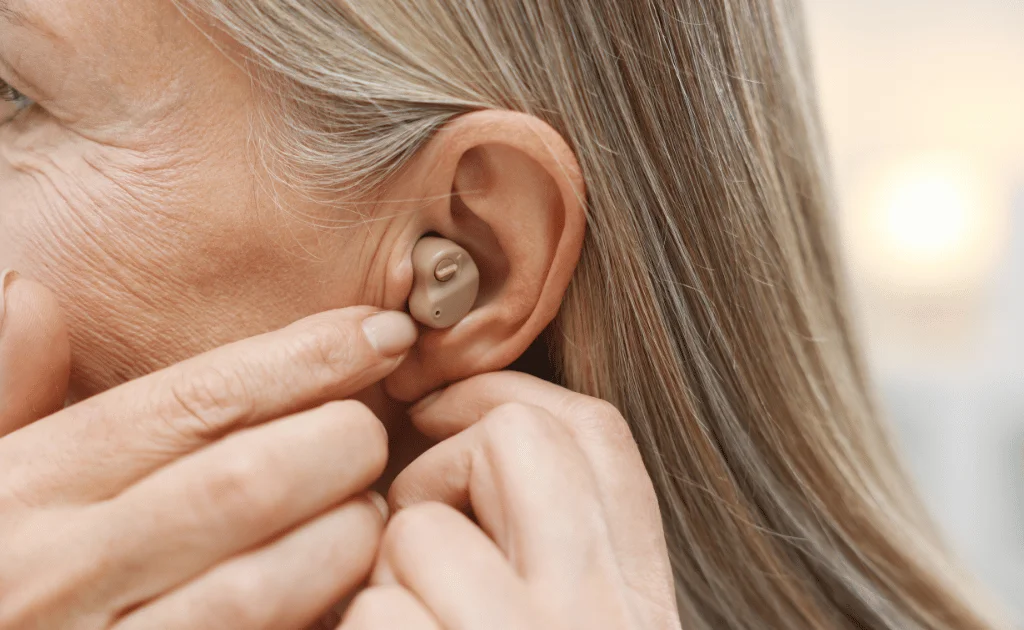
Hearing Aid Batteries in Carry On – The Safest Choice
If you’re still wondering, where do I carry hearing aid batteries for traveling The best answer is:
Pack them in your carry-on bag.
Here’s why:
- The checked luggage may be delayed or even lost.
- The temperature in the cargo hold varies.
- There is a chance that you will require spare batteries in mid-flight.
- Security seldom asks about the medical battery products.
My uncle used to pack his batteries with spares in the checked baggage. His airline had to delay his luggage by an average of 18 hours. There was just one working pair of shoes left. The stress? Not worth it.
Make sure you have at the very least a week’s worth of supplies in your bag for the cabin.
It’s not because rules require this.
But because common sense dictates it.
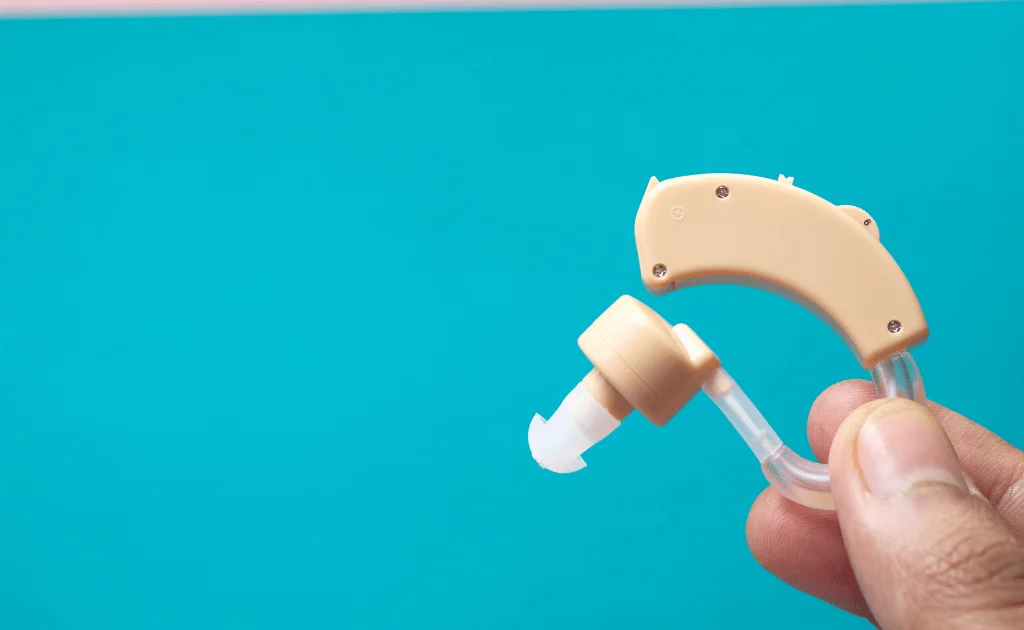
Hearing Aid Batteries Travel Rules (Simple Breakdown)
It’s not necessary to get too involved with the rules for traveling with hearing aid batteries. They’re straightforward.
Here’s a quick comparison:
| Packing Option | Allowed? | Recommended? | Why? |
| Carry-On Bag | Yes | Highly | Access to safe, medically necessary |
| Checked Luggage | Yes | Not Ideal | Risk of delay/loss |
| Loose in Pocket | Yes | Avoid | Potential risk of short-circuit |
| Original Packaging | Yes | Best | Stops contact |
The most important thing is to ensure they are kept in the its original container. The little tabs made of plastic have a purpose.
The batteries of buttons that touch metal objects could short circuits.
This hearing aid battery holder is specially made for you.
It’s rare. However, it’s possible.
How Many Hearing Aid Batteries Can You Bring?
There’s typically no set restriction on personal medical use.
Airlines are aware of medical requirements. If you’re carrying an adequate amount (say 1 to 2 months worth) It’s okay.
However, don’t bring a large number of people unless you can prove medical reasons.
If you’re not sure If you’re not sure, try:
- Take a note from a doctor.
- Label them.
- Keep them in a small medical pouch.
Security personnel are certified to recognize medical devices.
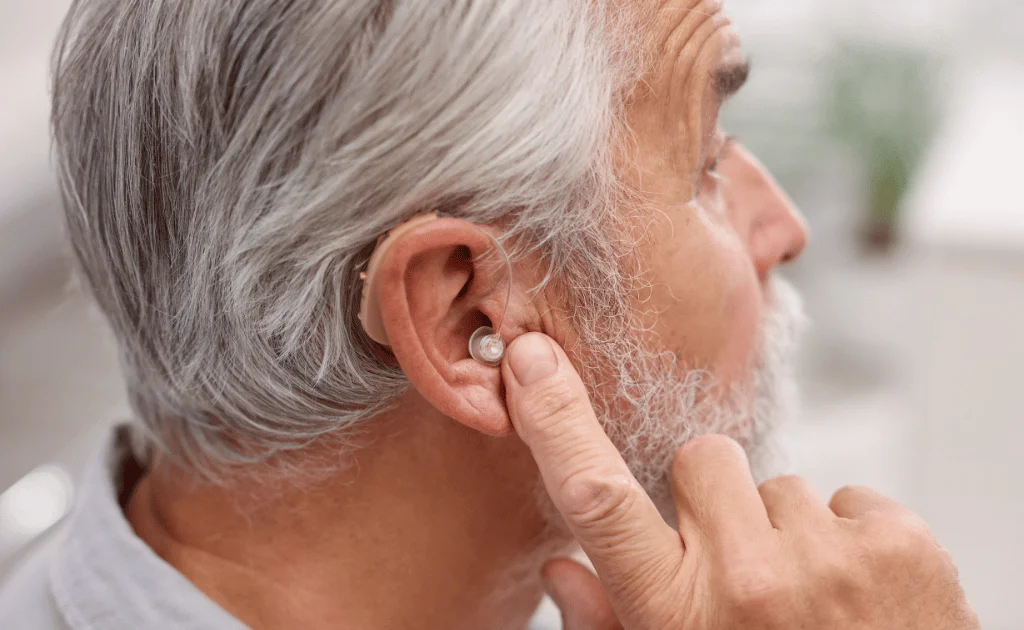
Flying With Hearing Aids Tips (Real World Advice)
Hearing aids aren’t difficult However, there are some minor aspects that are often overlooked by people.
A must read: Best Carry-On Backpacks vs Travel Suitcases – Which Is Better for Your Trip?
1. Pack Extra Batteries
Even when your trip is five days long, you should bring an more. It is common for travel to drain batteries faster because of pressure in the cabin and continuous use.
2. Keep Them Dry
The cabins of aircraft are dry areas. Store batteries in a sealed container until you need them.
3. Inform Security If Needed
There’s no need to take off hearing aids to be screened. If you’re not comfortable using scanners, you can request a the screening by hand.
4. Turn Off Bluetooth
If hearing aids are connected to devices, you can turn off your hearing aids before you take off in accordance with airline regulations.
Carry-On vs Checked: What’s Better for Medical Devices?
Here’s a table that can be used for the battery of a medical device:
| Item Type | Carry-On | Checked | Best Practice |
| Hearing Aid Batteries | Yes | Yes | Carry-On |
| Power Banks | Yes | No | Carry-On Only |
| Laptop Batteries | Yes | Limited | Carry-On |
| Spare Lithium Batteries | Yes | Restricted | Carry-On |
You’ll be able to notice something.
The most important batteries work best in cabin bags.
If you’re asking what should I bring with me when I travel to carry hearing aid batteries while traveling keep in mind that Medical essentials should be kept close to you.
What About International Flights?
International travel isn’t really a change in the basic rules.
If you’re traveling to New York to London or Lahore to Kuala Lumpur, hearing aid batteries that are carried on remain the safest choice.
Certain countries have stricter lithium battery regulations, however hearing aid batteries with zinc-air have been accepted in general.
Still, check your airline website before departure.
It only takes two minutes, and brings the peace of mind.
How I Personally Pack Hearing Aid Batteries
Let me present a basic system that my uncle used to use following that baggage panic.
He splits them into three parts:
- Small amount in daily pouch
- Backup supplies in carry-on
- In the jacket pocket, put a spare pair of hands (in the case bag that goes over)
It could sound a bit excessive.
However, if your hearing relies on it, you shouldn’t bet on it.
Storage Tips During Flight
- Make sure batteries are away from keys or coins.
- Avoid extreme heat.
- Do not take off the tabs to protect yourself until you need them.
- Keep in the the original packaging.
Small habits can prevent major inconveniences.
Common Mistakes Travelers Make
A common mistake is to pack everything medical into the checked baggage in order to “save space.”
Another is to place batteries into the bag.
The biggest?
Not having enough spares.
Travel drains energy. Devices are more efficient. You can stream more frequently when traveling.
You should carry more than you’ll require.
FAQs
1. Where do I pack hearing aid batteries when flying?
Pack them in your carry-on bag. It ensures accessibility and prevents loss if checked luggage is delayed.
2. Can you take hearing aid batteries on a plane?
Yes, hearing aid batteries are allowed in both carry-on and checked luggage.
3. Do hearing aid batteries need to be declared at airport security?
No, typically they do not need separate declaration unless security asks.
4. Can hearing aid batteries go through X-ray scanners?
Yes, they are safe to pass through airport security scanners.
5. How many hearing aid batteries can I carry?
You can carry a reasonable amount for personal medical use. There’s no strict limit for normal quantities.
Final Thoughts
Travel is stressful enough.
You don’t need to add unnecessary anxiety over something this small but important.
If you remember only one thing from this guide, let it be this:
When asking where do I pack hearing aid batteries when flying, the safest, smartest answer is — keep them in your carry-on.
Close to you.
Accessible.
Secure.
Because hearing the world clearly, especially in unfamiliar places, matters more than saving a little luggage space.