
Choosing between a carry-on backpack and a travel suitcase can completely change how smooth—or stressful—your trip feels. While both options are designed to carry your belongings, they serve very different travel styles, destinations, and trip lengths.
This guide from Ultimate Travel Essentials compares carry-on backpack vs travel suitcases in real-world travel scenarios. Whether you’re flying from the UK for a city break, business trip, long-haul holiday, or multi-destination adventure, this carry-on backpack vs travel suitcases article will help you choose the right luggage for your trip—not just the popular one.
Why Choosing the Right Carry-On Matters
When comparing a carry-on backpack vs travel suitcase, your decision directly affects how smooth your journey feels from the airport to your accommodation. Your carry-on is the one piece of luggage that stays with you throughout the trip, and choosing the wrong option can lead to unnecessary discomfort and stress.
A poor carry-on backpack vs travel suitcase choice can result in shoulder or back pain, slow movement through airports, limited packing flexibility, and added stress during boarding, security checks, and transfers. These issues become even more noticeable when travelling on tight schedules or through busy terminals.
On the other hand, selecting the right option in the carry-on backpack vs travel suitcase debate brings clear advantages. You can move through airports faster, store your bag more easily in overhead compartments, stay better organised, and enjoy more comfortable travel days overall. The right carry-on choice sets the tone for your entire trip.
What Is a Carry-On Backpack?
In the carry-on backpack vs travel suitcase comparison, a carry-on backpack is a soft-sided, wearable bag designed to meet airline cabin size restrictions while offering hands-free mobility. This option is especially popular among travellers who value flexibility and ease of movement.
A carry-on backpack is best suited for city breaks, backpack-style travel, public-transport-heavy journeys, and travellers who move frequently between locations. In the carry-on backpack vs travel suitcase discussion, backpacks clearly stand out for travellers who want speed and freedom rather than structured packing.
Key advantages of a carry-on backpack include hands-free movement, easier navigation on stairs and uneven surfaces, flexible storage options, and a lightweight design. These benefits make the backpack a strong contender in the carry-on backpack vs travel suitcase decision for active and mobile trips.
👉 Recommended carry-on backpacks for flights

What Is a Travel Suitcase?
- A travel suitcase is a structured bag specifically designed to make packing, transporting, and protecting belongings easier during trips
- It usually features wheels that allow smooth movement through airports, hotels, and paved areas
- A travel suitcase comes in either a hard shell or soft shell, depending on the traveler’s needs and preferences
- The structured design helps maintain the shape of packed items, reducing wrinkles and damage
- A travel suitcase is ideal for travelers who prefer organised packing rather than flexible storage
- It is commonly used for air travel, train journeys, and long-distance trips where stability matters
Design and Functionality
- Most travel suitcases include multiple compartments for better clothing organisation
- Interior sections help separate clothes, shoes, toiletries, and accessories
- Compression straps keep items secure during movement
- Zippered dividers help maintain balance and prevent shifting
- Wheels are designed for easy rolling on flat surfaces, especially airport floors
- Telescopic handles provide comfort and control during transport
Best For
- Business travel
- Provides a clean and professional appearance
- Keeps formal clothing neatly organised
- Suitable for frequent flyers and work trips
- Family trips
- Offers structured space for multiple outfits
- Helps keep items organised for each family member
- Ideal for predictable packing needs
- Hotel-based stays
- Easy to unpack and repack without losing organisation
- Fits well in hotel luggage areas
- Keeps items protected while stored
- Longer holidays
- Designed to carry more items securely
- Maintains structure even when fully packed
- Suitable for extended travel durations
Key Advantages
- Better clothing organisation
- Keeps outfits folded and separated
- Reduces wrinkles during transit
- Makes it easier to locate items quickly
- Easy rolling on flat surfaces
- Minimises physical strain during travel
- Allows smooth movement in airports and terminals
- Ideal for travelers carrying heavier loads
- More protection for fragile items
- Hard shell options protect breakable belongings
- Structured build prevents crushing
- Safer for electronics, gifts, and valuables
- Professional appearance
- Clean and polished look
- Suitable for formal and corporate travel
- Enhances overall travel presentation
👉 Best carry-on suitcases for UK airlines
Carry-On Backpack vs Travel Suitcase (Quick Comparison)
| Feature | Carry-On Backpack | Travel Suitcase |
|---|---|---|
| Mobility | ⭐⭐⭐⭐⭐ | ⭐⭐⭐⭐ |
| Comfort | ⭐⭐⭐⭐ | ⭐⭐⭐⭐ |
| Organisation | ⭐⭐⭐ | ⭐⭐⭐⭐⭐ |
| Weight | Lighter | Heavier |
| Ease on Stairs | Excellent | Poor |
| Business Use | Moderate | Excellent |
| Urban Travel | Excellent | Good |
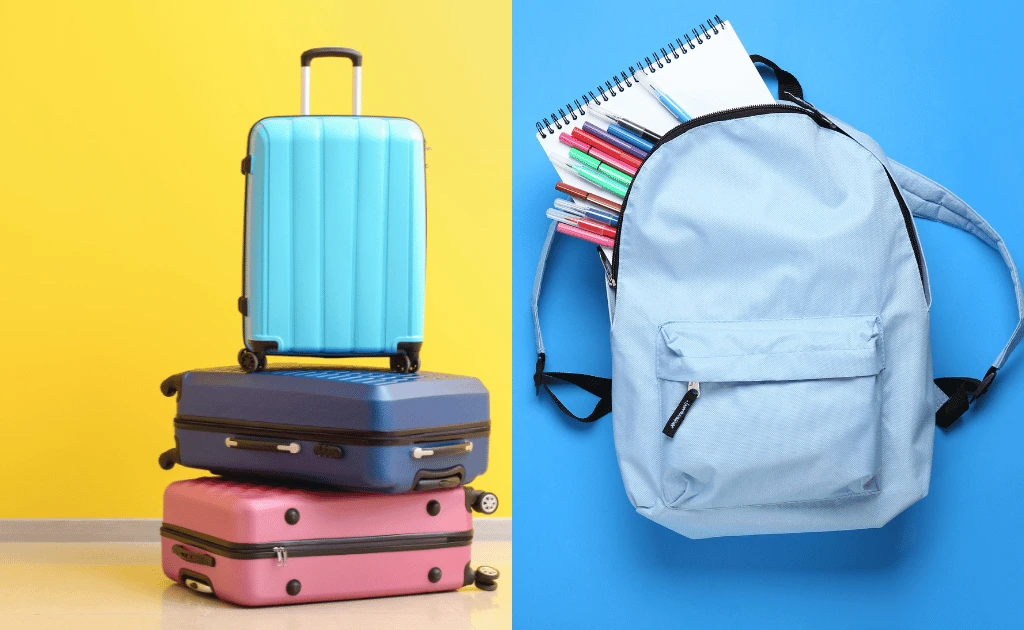
Carry-On Backpack – Pros & Cons
A carry-on backpack is a popular choice for modern travelers, especially those who prioritize mobility, flexibility, and cost savings. Below is a detailed breakdown of its pros and cons to help travelers make an informed decision.
✅ Pros
- Ideal for walking-heavy trips
A carry-on backpack is ideal for walking-heavy trips where travelers need to move frequently between locations. Whether navigating airports, train stations, city streets, or uneven terrain, a backpack allows hands-free movement and better balance. This makes it especially useful for travelers who rely on public transportation or explore destinations on foot. - Easier to store in overhead bins
Compared to hard-shell luggage, a carry-on backpack is easier to store in overhead bins due to its flexible structure. The soft design allows it to fit into tight spaces on planes, buses, and trains without hassle. This flexibility reduces boarding stress and minimizes the risk of forced gate-checking. - Better for budget airlines
Many budget airlines have strict size and weight restrictions. A carry-on backpack often fits within personal item or carry-on limits, helping travelers avoid extra baggage fees. Its lightweight nature allows more efficient use of allowed weight, making it better for budget airlines that charge for checked luggage. - More flexible packing
A carry-on backpack offers more flexible packing options than rigid suitcases. Multiple compartments, compression straps, and expandable sections help organize clothing, accessories, and travel essentials efficiently. The ability to adjust contents makes it easier to pack for short trips, minimalist travel, or changing itineraries.
❌ Cons
- Can strain shoulders
One major drawback of a carry-on backpack is that it can strain shoulders, especially when fully packed. Carrying weight on the back for extended periods may cause discomfort, fatigue, or posture issues if the backpack lacks proper padding or support. This can be challenging for travelers with back or shoulder sensitivity. - Less formal appearance
A carry-on backpack has a less formal appearance compared to traditional luggage. For business travelers or formal settings, backpacks may not convey a polished or professional look. This can be a disadvantage when attending meetings, conferences, or events that require a more refined travel style. - Limited protection for fragile items
Unlike hard-shell suitcases, a carry-on backpack offers limited protection for fragile items. Electronics, glass items, or delicate belongings may be more vulnerable to impact or pressure. Even with padded compartments, backpacks do not provide the same level of structural protection as rigid luggage.
Travel Suitcase – Pros & Cons
A travel suitcase is one of the most commonly used luggage options for both leisure and business travelers. It offers structure, convenience, and a polished appearance, but it also comes with certain limitations depending on travel conditions. Below is a detailed breakdown of the pros and cons of a travel suitcase to help you decide if it suits your travel needs.
✅ Pros of a Travel Suitcase
- Excellent organisation
- A travel suitcase typically includes multiple compartments, zippered sections, and divider panels
- Keeps clothing, accessories, shoes, and toiletries neatly separated
- Ideal for travelers who prefer systematic packing and easy access to items
- Prevents clothes from shifting during transit
- Minimal physical strain
- Wheeled travel suitcase designs reduce the need to carry heavy loads
- Rolling functionality minimizes pressure on shoulders and back
- Suitable for long airport walks, train stations, and hotel corridors
- Makes traveling more comfortable for older travelers or those with mobility concerns
- Professional look
- A travel suitcase offers a clean, structured, and polished appearance
- Preferred by business travelers and professionals
- Maintains shape even when fully packed
- Complements formal travel settings like conferences and meetings
- Better for structured packing
- Hard-shell and soft-shell travel suitcase options provide consistent form
- Prevents overpacking and uneven weight distribution
- Makes folding and stacking clothes easier
- Ideal for travelers who plan outfits in advance
❌ Cons of a Travel Suitcase
- Difficult on stairs
- Carrying a travel suitcase up or down stairs can be inconvenient
- Lack of flexibility compared to backpacks
- Requires lifting in locations without elevators
- Can become tiring in older buildings or transit stations
- Wheels struggle on uneven surfaces
- Travel suitcase wheels perform best on smooth floors
- Cobblestone streets, gravel paths, and damaged sidewalks reduce mobility
- Pulling a suitcase on uneven terrain requires more effort
- Wheels may wear out faster on rough surfaces
- Heavier overall weight
- A travel suitcase often weighs more than soft luggage alternatives
- Hard-shell materials add extra weight even when empty
- Can limit packing capacity due to airline weight restrictions
- Not ideal for travelers trying to pack ultra-light
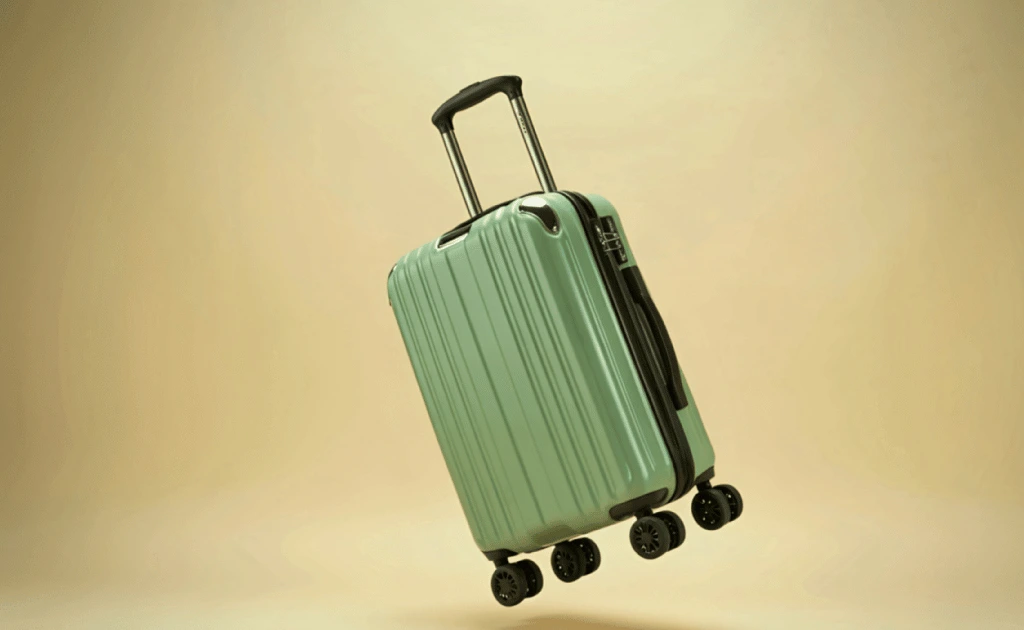
Carry on backpack or suitcase?
When deciding between a carry-on backpack or suitcase, the type of trip plays a major role.
Short City Breaks (2–4 Days)
✅ Winner: Carry-On Backpack
In the carry-on backpack vs travel suitcase comparison, backpacks are ideal for short city breaks thanks to quick movement, light packing, and easy use on public transport.
Business Travel
✅ Winner: Travel Suitcase
For business trips, the carry-on backpack vs travel suitcase debate usually favours suitcases due to their professional appearance and superior clothing organisation.
Long-Haul Flights
⚖️ Tie
In long-haul travel, the carry-on backpack vs travel suitcase choice depends on your destination and travel style—backpacks offer mobility, while suitcases provide comfort and structure.
Multi-Destination Trips
✅ Winner: Carry-On Backpack
For trips involving frequent location changes, the carry-on backpack vs travel suitcase decision strongly favours backpacks because of better flexibility and reduced fatigue.
Airline Rules – UK Traveller Considerations
- Understanding airline rules is essential for UK travellers to avoid last-minute issues at the airport, especially when it comes to carry-on luggage.
- Most UK airlines allow one carry-on item, but the exact size, weight, and personal item rules can differ significantly.
- Travellers should always check airline-specific baggage policies before booking or packing, as enforcement can be strict.
General Carry-On Allowance for UK Airlines
- One carry-on item is usually permitted across most UK airlines.
- The definition of a carry-on item may include:
- A small suitcase
- A backpack
- A cabin-sized bag
- Size limits vary depending on the airline, ticket type, and fare category.
- Some airlines also allow an additional small personal item, while others include it within the single allowance.
Ryanair Carry-On Rules
- Ryanair typically allows one small carry-on item that must fit under the seat.
- Larger carry-on bags may require priority boarding or an upgraded fare.
- Size restrictions are strictly enforced at boarding gates.
- Backpacks are often preferred due to their flexibility and ease of fitting into size checkers.
EasyJet Carry-On Rules
- EasyJet allows one carry-on item per passenger.
- Larger cabin bags may be placed in the overhead locker if space allows.
- Passengers with upgraded seats may receive additional cabin bag allowances.
- Backpacks can be a practical option for EasyJet due to variable locker availability.
British Airways Carry-On Rules
- British Airways offers a more generous carry-on policy compared to budget airlines.
- Passengers are often allowed:
- One carry-on bag
- One personal item
- Size and weight limits are clearly defined but less restrictive.
- Suitcases fit well with British Airways due to overhead locker availability.
Wizz Air Carry-On Rules
- Wizz Air generally permits one small carry-on item included in the basic fare.
- Larger cabin bags may require an additional fee or upgraded ticket.
- Strict size enforcement applies at boarding.
- Backpacks are commonly used to stay within basic fare limits.
Backpacks vs Suitcases for UK Airlines
Trip duration
Backpacks offer more flexibility for budget airlines due to:
Easier compression
Better fit under seats
Reduced risk of size violations
Suitcases fit well with full-service carriers that provide:
Larger overhead lockers
More lenient baggage policies
Choosing the right bag depends on:
Airline rules
Fare type
👉 Best Travel Accessories for Long-Haul Flights
Comparison Table – Best Use Scenarios
| Travel Scenario | Better Choice |
|---|---|
| Budget airline travel | Backpack |
| Business meetings | Suitcase |
| Walking-heavy cities | Backpack |
| Family travel | Suitcase |
| Hotel-based stays | Suitcase |
| Backpack-style travel | Backpack |
How to Choose the Right Option (Buying Guide)
Ask yourself:
- Will I walk a lot?
- Do I need formal clothing?
- Will I use public transport?
- Do I carry electronics?
- How long is my trip?
Rule of Thumb:
- Mobility first → Backpack
- Organisation first → Suitcase

FAQs – Carry-On Backpacks vs Travel Suitcases
Q1: Are carry-on backpacks allowed on UK airlines?
Yes, most UK airlines allow carry-on backpacks as cabin luggage, provided they meet size and weight limits.
Q2: Is a backpack better than a suitcase for city travel?
Yes, backpacks are easier for walking, stairs, and public transport in busy cities.
Q3: Do carry-on backpacks hurt your back?
Poor-quality or overloaded backpacks can cause strain. Choose padded straps and ergonomic designs.
Q4: Are suitcases better for business travel?
Yes, suitcases provide better organisation and a more professional appearance.
Q5: Which is better for long trips?
Suitcases are better for structured packing, while backpacks are better for frequent movement.